
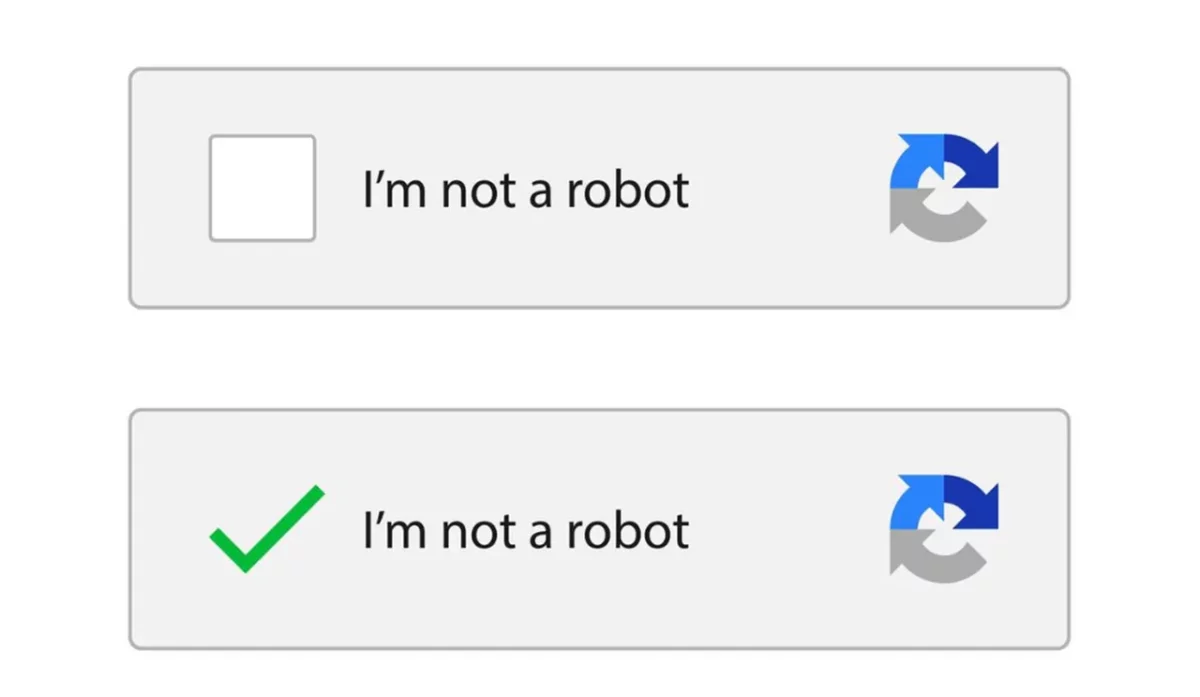
Nowadays, almost everyone knows what a CAPTCHA is. When you browse the Internet you find this tool to distinguish between humans and bots. However, the risks are still there and the CAPTCHA scam is making hackers make creative tools to steal your money and information through fake CAPTCHAs.
A CAPTCHA scam is pure logic. As the users are already familiarized with them, it’s very easy to trick them to use a false one to steal their information or money. Security advisors highlight the importance of knowing the risks as well as learning how to distinguish real CAPTCHA from false ones.

The dangers of CAPTCHA scam
A CAPTCHA scam is very easy and that’s the main danger. The user arrives to a website that looks real. It may be an online store or a news website, it can be almost any kind of website. When the CAPTCHA appears you need to verify if you are a real human being. It’s very typical to find messages like “Confirm you are not a robot” and things like that.
But a scam CAPTCHA usually asks for more information. After clicking on the box or solving the puzzle, a message appears asking to run a software or asking for a code. If you are not aware, a script starts running and downloads a malware file to start stealing your information. There are different objective for hackers: from your password to give remote control to hackers
The most worrisome aspect is that hackers use native system tools to run the malware commands. This way it can evade antivirus and other security filters from your operating system. Another important aspect about the proliferation of CAPTCHA scam is that AI has helped to it. Hackers have access to more easy ways to compromise authentic websites. In most of the cases, they create fake websites through prompts with different AI tools. The level of detail is extremely dangerous.
How to prevent the CAPTCHA scam
Experts on cyber security indicate that certain details are key to prevent a CAPTCHA scam. For example, a true CAPTCHA will never ask you to run or copy any command or installing a file on your computer. If you see a message like this, get out of the website you are navigating. It’s also important to check any website address before interacting. Sometimes, certain little details on the URL, like long ones or miswritten, give you the definite clue that you are facing a fake website.
The risks of CAPTCHA scams are pretty similar to those of other Internet scams and fake websites and tools. By making you think you are entering a safe website, they try to steal your data, money or control over your computer as fast as they can. If you pay attention to the advices of security experts, you can prevent any danger. But remember that hackers are always improving and making their tools more efficient to try and steal your data. CAPTCHA as a security measure is not bad, but you must be aware when entering suspicious websites.