
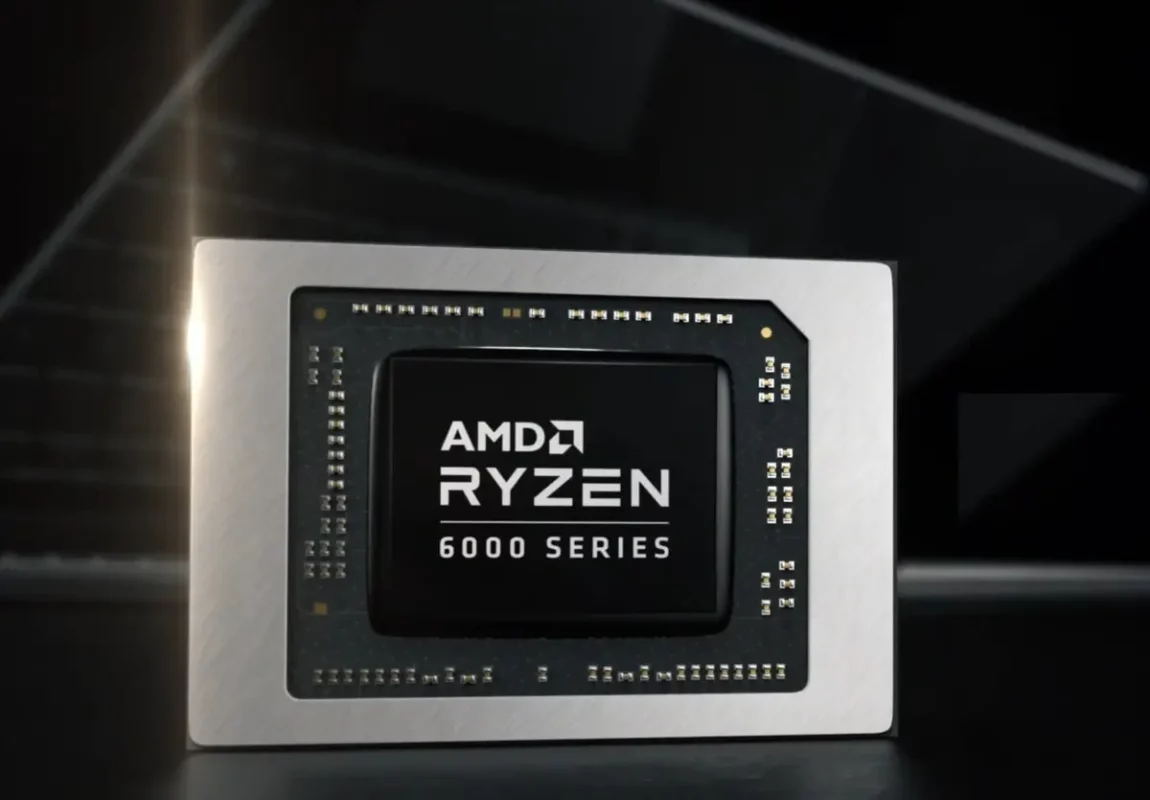
The high costs of DRAM memory is making most of technology manufacturers change their long term strategy for the next years. The crisis won’t stop until 2028 in worst case scenarios but there are those who expect the latter 2026 to bring some balance. AMD is planning to bring back the Ryzen Zen 3 line in order to reduce costs.
The latest rumors also include ASUS manufacturer and the possibility of developing more motherboards with AM4 socket. These are compatible with DDR4 and will allow for lower prices on the market. NVIDIA is also planning to bring back older models based on Ampere architecture (RTX 30) instead of the Blackwell architecture of the recent RTX 50. However, these architectures are useless if there are no processors, and there’s AMD planning to bring back the Ryzen Zen 3 in order to avoid the expensive RAM DDR5 crisis.
AMD will relaunch Ryzen 5000 processors with Zen 3 architecture
According to an interview during the CES 2026 in Las Vegas, David McAfee from Ryzen products stated that chips’ crisis is forcing new strategies for the company. He indicated that Ryzen 5000 with Zen 3 architecture is resurrecting to satisfy users’ demand to update older devices and processors but without paying the high costs of latest RAM modules.
If you are mounting a new computer with the latest updated AMD and Intel processors you require DDR5 memory modules. With today prices, it’s a very prohibitive purchase for most users. Depending on the memory quantity, they can be more expensive than a latest generation processor.
The update from an AMD motherboard with AM4 to AM5 is extremely expensive today because of the memory prices. The situation is affecting users all around the world.
On the other hand, Intel has a tendency of using sockets for only three generations in the best of cases. Probably 2026 will be another complex year for the company because 2025 was extremely poor in sales.
Home users are the most affected by the crisis on component’s manufacturers. Power supplies, heatsinks and cabinets are some of the affected goods indirectly. Home users won’t update the rest of the hardware either.
The most logical conclusion would be for all main manufacturers to join and pressure to memory developers. This in order to provide memory modules for other purposes than high performance HBM AI servers. However, it all indicates that the different technological industry companies and sectors are trying to save by themselves. The most affected will be home users as the prohibitive prices will make updating computers an odyssey for the following years.
In the recent years, the industry has been affected by the power requirements for Artificial Intelligence development. In the last two years, most of the technology manufacturers have been putting all their efforts into AI and home computers are left aside. The crisis may extend up until 2028 according to the worst predictions. But there’s still the possibility of a small improvement by the end of the year 2026.