
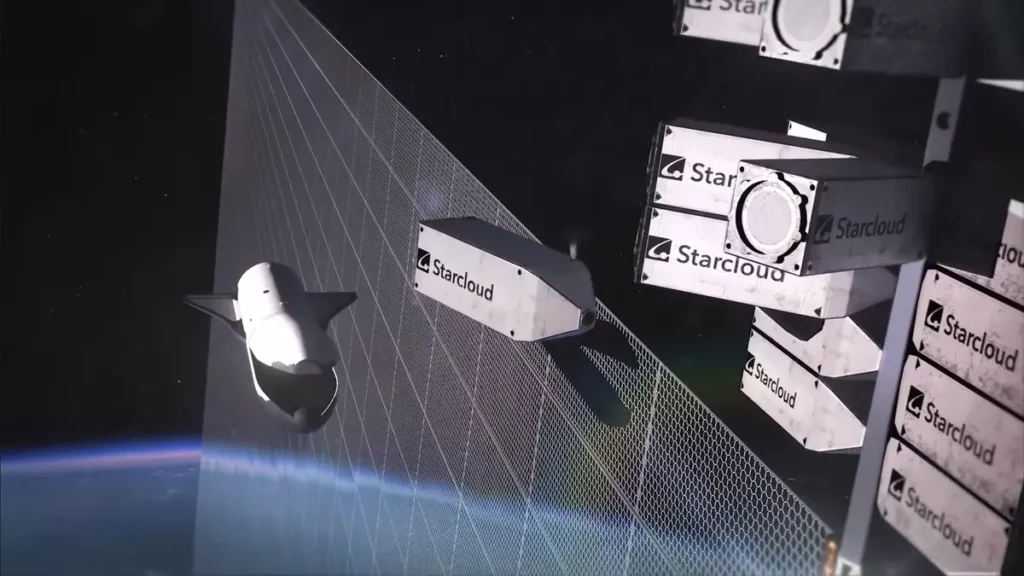
The technological industry is going through important transformations now. A lot of big techs are thinking about taking data centers to outer space. It’s a new race that 10 years ago could seem impossible.
The main objective is enhancing computing capacity to reach exponential growth for Artificial Intelligence projects. The new idea of big techs is installing data centers outside the planet Earth, in the space. It may seem a futuristic idea but it’s gaining terrain among executives from the most important companies in the technological world.
Why are big techs thinking about data centers in space?
The global demand for processing power and energy related to AI projects is growing at great speed and Earth territory won’t be enough for the expansion of data centers. The models increase in size and complexity and the energetic and logistic limit is a reality. That’s why some big techs are thinking about creating data centers in outer space.
The amount of money invested in Artificial Intelligence infrastructure is unprecedented. According to financial market data, big tech enterprises like Amazon, Meta, Microsoft and Google invest 320 000 million dollars in data center creation and extensions.
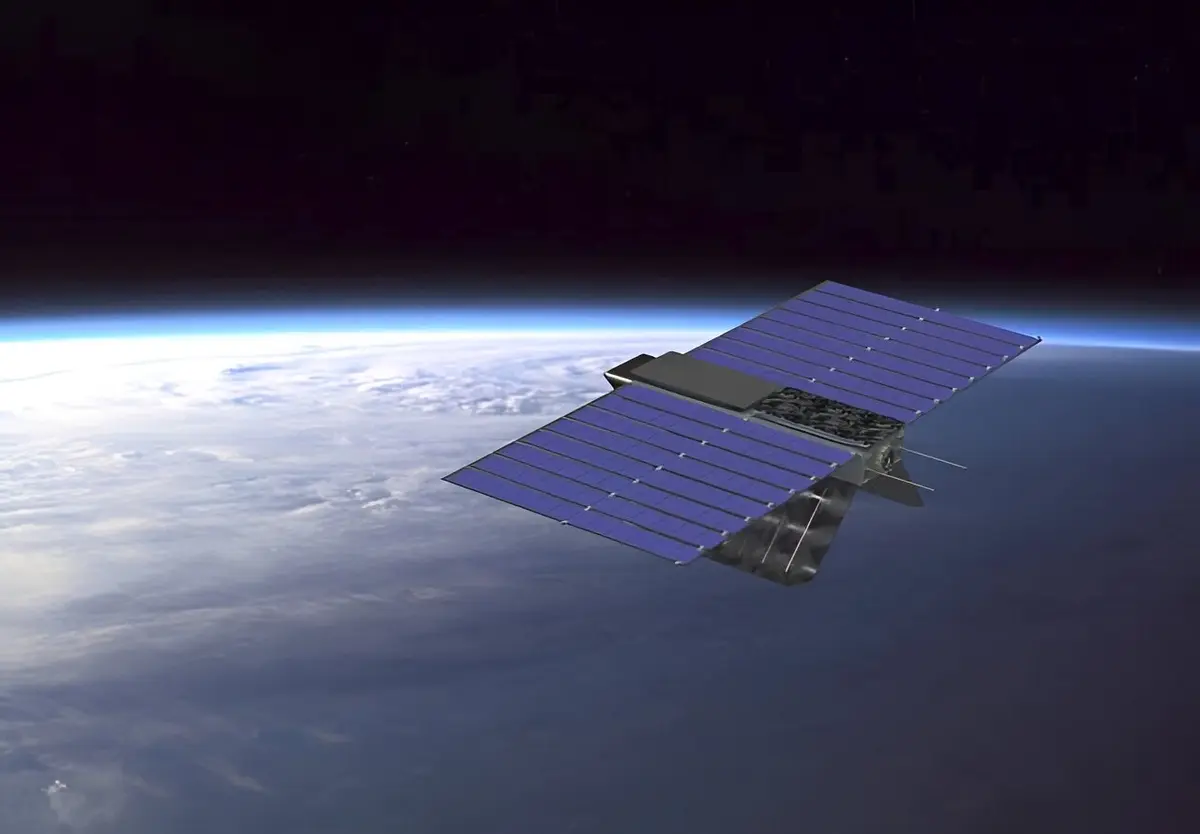
However, the efforts haven’t paid yet and the alternatives being explored include long term space buildings. Outer space looks like a no boundaries soil with more energy available and less thermal management restrictions. Google’s most recent project Suncatcher is studying the viability of setting AI hardware in orbit. This project includes a long term research to send technology to outer space and make it work even with radiation and distance difficulties. Google states that they can have a processing unit working in orbit before the end of 2027. This could easily mark the beginning of a new space race for the big techs
Energetic impact accelerates the transition
The idea of moving data centers to space it’s not only a matter of innovation. Energy consumption data also shows a growing pressure over land electric power lines. Goldman Sachs indicated that global installed capacity on data centers is 59 gigawatts. It’s a number that won’t be supported on projected device for the next decade.
In the United States of America the intensive construction of AI buildings is generating problems for the national electric network. The expansion plans are rushing in order to cover the new levels of demand and there’s a great deal of thinking about consumption models for energy in USA.
According to certain projections, electricity demand may double before 2050. This creates a high risk for viability of the high computing ecosystem on Earth. From an electrical point of view, the space offers a significant advantage because of constant solar radiation. In the absence of atmosphere the energy can be captured without any loss and generating more energy than Earth.
Big techs point of view on space data centers and industry context
Business space industry has advanced considerable on the last 15 years. There are different orbital transport companies that reduced the price for kilograms launched to space and the regularity of the missions. In this context, the idea of data centers from big techs on space is a possible solution and a real one. The manufacturing of great capacity satellites as well as the development of modular structures can make it easier to assemble data center platforms.
Some managers have expressed that they want a combined system with hundreds of satellites acting as a computing network on space. The main energy source is the sun to keep the systems running without the need of batteries or complex cooling infrastructures. The absence of gravity will also influence the way of hardware design allowing for more compact and efficient architectures.
The transformation of digital infrastructure
If space data centers consolidate, technological industry may experience a deep change in infrastructure management. The scalability without surface restrictions and the possibilities of endless energy as well as thermal limit reductions will make computing totally different.
There are still some problems related to latency, repairs, control and hardware security but the sector is growing at great speed. These are barriers that may disappear soon.