
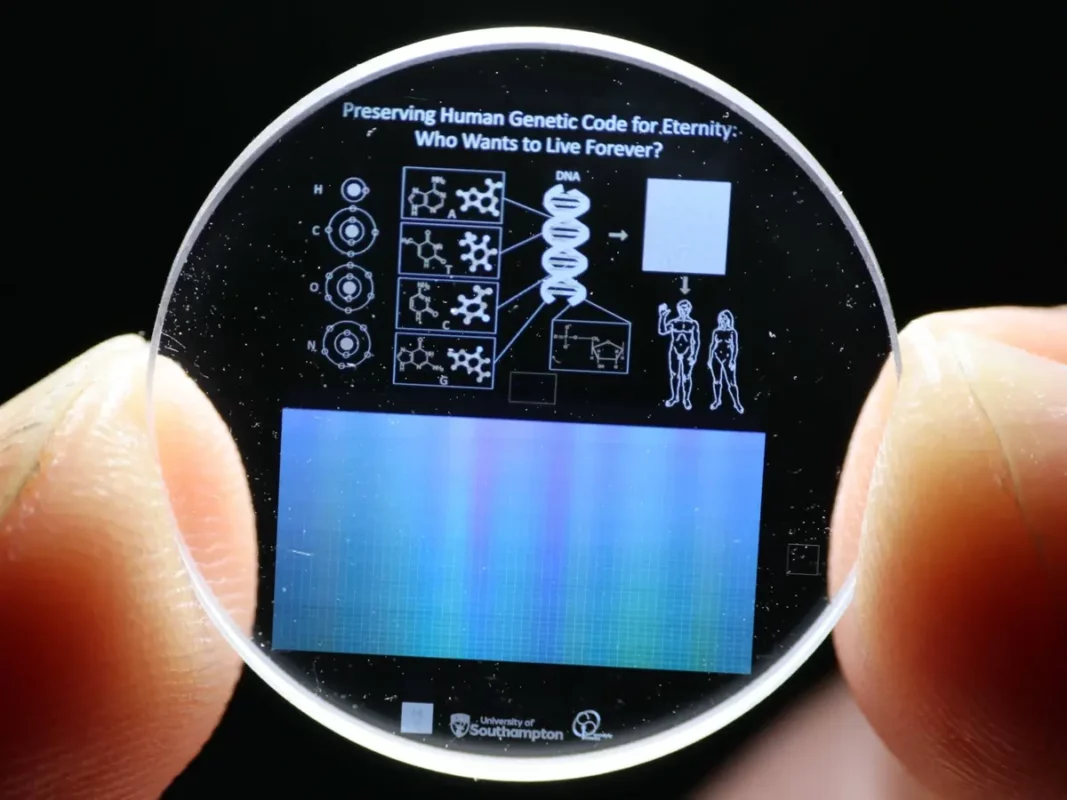
One of the most interesting scientific advances in computing focuses on human DNA as genetic storage device. According to Missouri University researchers, a human DNA based storage system works similarly to a hard drive. This new technique uses biological mechanisms inspired in viruses to encode digital information in a faster and more efficient way.
It’s not a joke although it seems like a science fiction topic. Human DNA is one of the most stable and compact structures in nature. It can keep data for thousand years without degradation. This is unthinkable for traditional storage devices such as mechanical hard drives or silicon USB memories. Human DNA storage is still in experimental stage but it’s a great discovery that may start a new age of biological storage in computers.
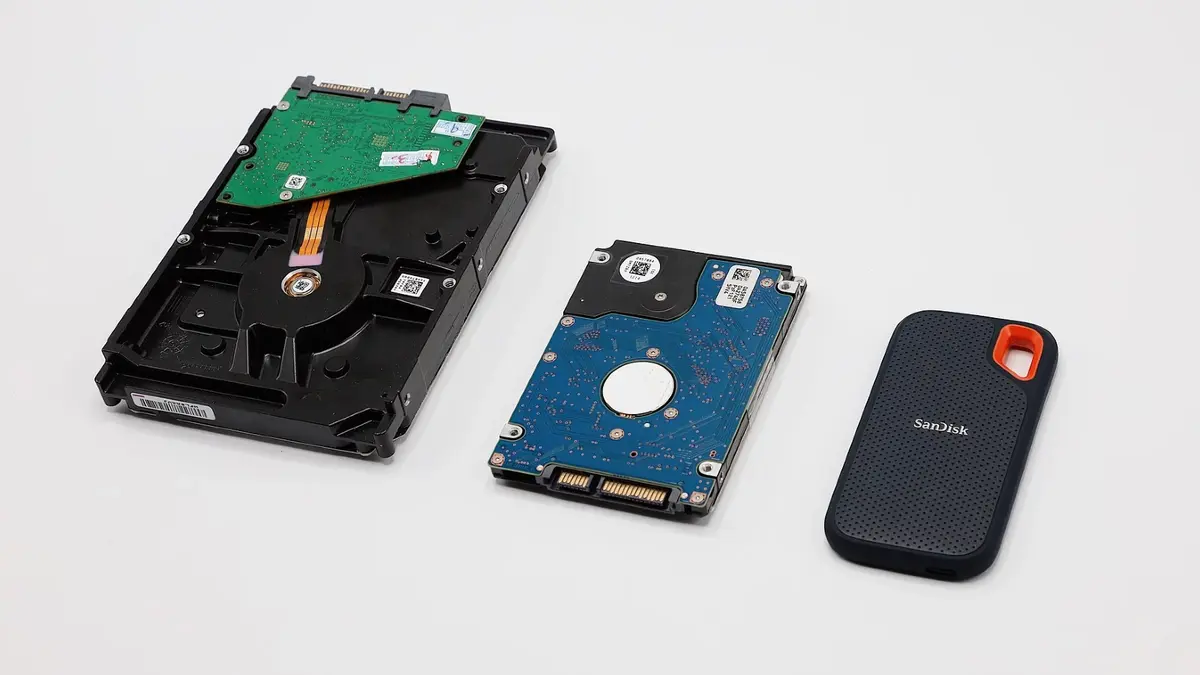
A human DNA storage device
In order to understand this new technological advance without biological knowledge, you can think of DNA as a very long thread composed of 4 pieces that repeat constantly. These pieces are called nucleotides. Instead of 0 and 1 like classical computing, scientists translate digital files to the exact nucleotide setting
The breakthrough from the Missouri University team is a technique called frame shift. It’s a technique from viruses that copy certain information in order to maximize the information in one molecular chain. Thanks to a electronic device similar to a bar code reader in molecular level, the system detects small variations in the electric charge of DNA strands. Then a specialized software turns the electric signals in binary language to rebuild the original file with absolute precision and without errors.
The new techonolgy will be based on nature chemical processes like a printed circuit but extremely sophisticated and tiny. You will be able to use it to save photos, videos and all kinds of files permanently.
The future of genetic storage and human DNA
The competitive advantage of DNA over hard drives is the data density and durability. In normal conditions, DNA can store information for thousands years. Just one drop of liquid containing DNA threads can store the same amount of several gigantic servers. And it doesn’t consume electric power or require cooling systems.
For example, mechanical discs and USB memories start deteriorating after 10 years in contrast with DNA that can survive for thousands years. It will change the way we store historical files or scientific advances of great importance for humanity.
Another aspect of human DNA storage technology is security. It’s a 100% immune storage method to any cyber attack. There’s still too much to wait in order to find a DNA pendrive but the scientists are already working on new ways to save your files and preserve information. It’s not only an ecological advance but also spatial.
Do you have any questions or problems related to the topic of the article? We want to help you.
Leave a comment with your problem or question. We read and respond to all comments, although sometimes it may take a while due to the volume we receive. Additionally, if your question inspires the writing of an article, we will notify you by email when we publish it.
*We moderate comments to avoid spam.
Thank you for enrich our community with your participation!