
Society has suffered irreparable damage because of TikTok. Today it’s almost impossible to watch a full 2 hours movie without taking a look at the Smartphone. After 20 minutes there’s an urge to check social media or the phone for notifications. There’s also the habit of just sliding the screen. The rhythm of movies has also been affected, because people are looking for constant and quick stimulus. And TikTok has a lot to do with it.
The short video TikTok format copied by Instagram Reels and YouTube Shorts is responsible of society lack of sustained attention. The problem is that society now is addicted to immediacy, incapable of boredom or pauses that last more than 15 seconds.
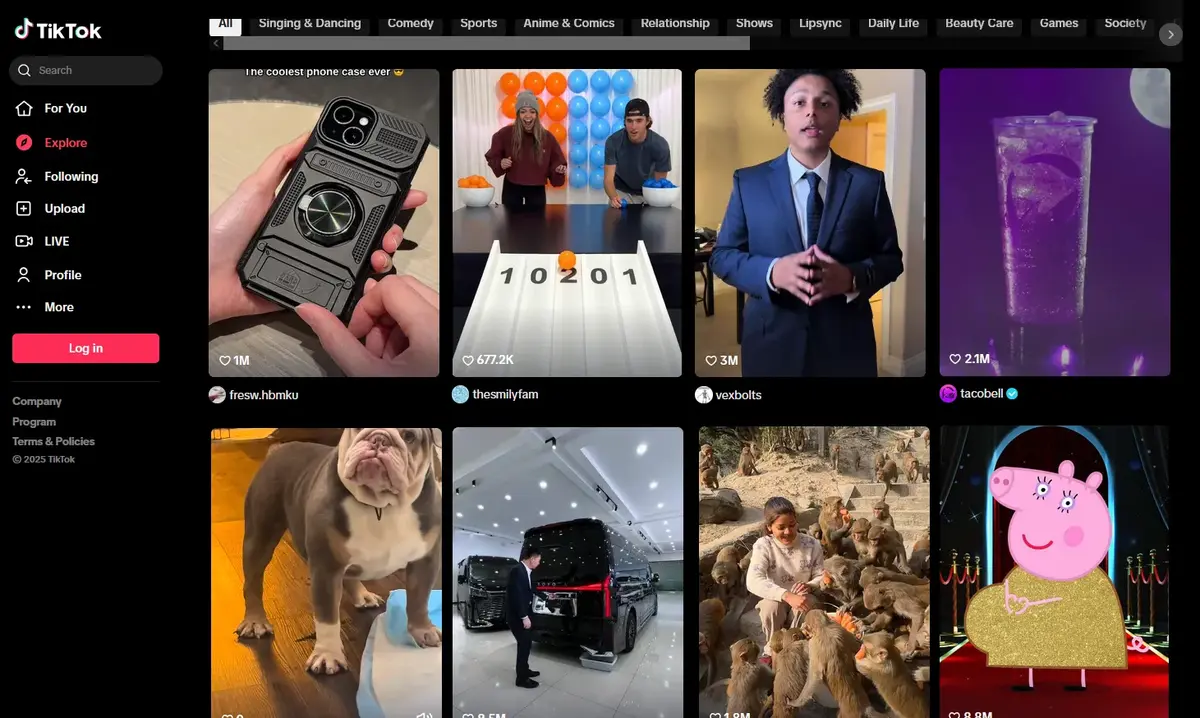
TikTok mechanic and the damage to society
It’s not only the feeling of getting older or an empty critic to new generations. TikTok damage on society can be measured and scientists are already warning about new risks. According to recent studies from the American Psychology Association, intensive consumption of short videos directly affects cognitive performance. The TikTok effect weakens work memory and impulse control on people.
The mechanism is both perverse and cunning. Neurological analysis demonstrate that human brain shows weaker signals in the executive control network when consuming TikTok videos regularly. Each time you slide your finger up and find a funny video, the brain receives a small and fast dopamine shot. If you repeat this hundreds of times a day, the receptors get saturated. The system gets used to the hyper stimulation and any real world task like reading, talking with a friend or watching a movie, becomes unbearably slow.
The death of content
The rewriting of our neuronal circuits has a devastating effect on the ways we consume entertainment and cultural goods. Deep content is agonizing against keeping audience entertained. For example, YouTube content creators nowadays know that they have to include a camera cut in 3 seconds and dynamic colored subtitles in the first 5 seconds of video. If they don’t, the spectators close the tab. There’ even content that includes split camera with a person talking and a Minecraft match or Subway Surfers on the other half. That way the spectators eyes get busy because focusing is getting harder.
You can also see this in the way we hear or consume WhatsApp messages. Running them on 1.5 or watching a summary of the series or game because the full version is too long.
The immediacy epidemic means that we gave up our concentration capacity voluntarily, in exchange of algorithmic empty entertainment. It’s content that you forget after two minutes of watching and that damages your neurobiological capacity of setting limits.
Regaining control over our own attention is not going to be easy. The platforms are developed by thousands of engineers with an unique goal in mind: keeping you focused on screen. However, being conscious about the problem is the first step to protect our brain. Maybe it’s time to turn off the mobile phone for a while.